Showing posts with label DDT. Show all posts
Showing posts with label DDT. Show all posts
Saturday, July 23, 2016
Dr. Don Huber: GMOs and Glyphosate and Their Threat to Humanity
Published on Apr 17, 2014 Food Integrity Now interviewed Dr. Don Huber, Professor Emeritus, Plant Pathology, Purdue University on the effects of GMOs and Glyphosate on human health. www.food

Tuesday, March 1, 2016
The FDA allows Glyphosate in your food (Re-Post from Natural Blaze)
Based on Monsanto's faulty research: The FDA allows Glyphosate in your food
 Despite the World Health Organization's classification of glyphosate — the main ingredient in Monsanto's Roundup — as a probable carcinogen for humans last year, the product remains the top-selling herbicide worldwide. Though the agrichemical behemoth vociferously disputes the findings, researchers recently found Monsanto's claims are based on outdated and inadequate science.
Enough glyphosate, Truthout noted, "is now used to cover nearly every acre of cultivated cropland in the U.S.," leading to widespread glyphosate tolerance, including reports of "superweeds" that are virtually immune to repeated drenchings. Use of the dangerous weedkiller has increased by more than 100 times since it first came to market in 1974.
Glyphosate originated as a pesticide, and still technically fits that classification, but it has not been included in FDA tests for pesticide residues in foods. It was only last week that the agency decided to begin testing for it. Truthout has also pointed out glyphosate "is also not included among the 200-plus chemicals on the U.S. Centers for Disease Control and Prevention's human biomonitoring program." Remarkably, the United States agencies tasked with protecting public health seem to have largely ignored glyphosate's cancer-causing potential found by WHO.
If the government's blind-eyed approach to the toxic chemical is based on Monsanto's claims, a new study published in Environmental Health should highlight the dangers of taking a company at its word.
Fourteen leading environmental health scientists issued a consensus statement of concern regarding glyphosate's safety, noting "tolerable daily intakes for glyphosate in the U.S. ... are based on outdated science." Researchers conclude the herbicide must be included in environmental persistence and toxicity studies, particularly as previous risk assessments discounted valid scientifically rigorous research. Had relevant science been included in that assessment, say the scientists, "we are nearly certain that they would have concluded that published studies collectively provide strong evidence in support of at least a ... 15 fold reduction" in the use of glyphosate in the U.S.
As use of glyphosate increases, the study warns, indications of possible damage to kidney function and disruption to the endocrine system, among other detrimental effects, warrant further study — and soon.
Comment: Dramatic increase in kidney disease in the US and abroad linked to Roundup (Glyphosate) 'Weedkiller'
"The prediction that glyphosate would never be present widely in surface water, rainfall, or groundwater has also shown to be inaccurate," the researchers warned. In addition to its employment as an herbicide, glyphosate is now widely used to dry out crops' leaves just prior to harvest — simply to make the task easier. While many indications point to the chemical's deleterious effects on humans, the "tolerable daily intake" has actually been raised in recent years, despite the faulty science affirming the change.
Comment: What's your "Daily Value" of Glyphosate?
According to the review, one study that government agencies relied heavily upon to assess the weed killer's toxicity was based solely on findings by contractors for Monsanto, itself, who appear to have downplayed statistical anomalies in test subjects.
"Testing done by contract laboratories were commissioned by the registrant [Monsanto] and submitted to regulatory agencies. Results indicated minimal mammalian toxicity. A large review published in 2000, written by consultants associated with the registrant and drawing on unpublished industry reports, agreed with and reinforced that conclusion. However, their review did not address some statistical differences reported between test and control groups that could be interpreted more cautiously, and surely warrant further assessment."
As the review indicates, past glyphosate testing has been based on what constitutes a fatal dose to a lab animal, instead of potential, subtle health issues that develop over a longer period of time.
The scientists conclude that the the vastly increased employment of glyphosate-based herbicides in the U.S. and around the world, coupled with mounting evidence of the chemical's destructive health effects, makes further testing imperative. They suggest lack of funding not be used as an excuse for delay — and, instead, propose manufacturers contribute funding via yearly license fees or other methods. As the study concludes:
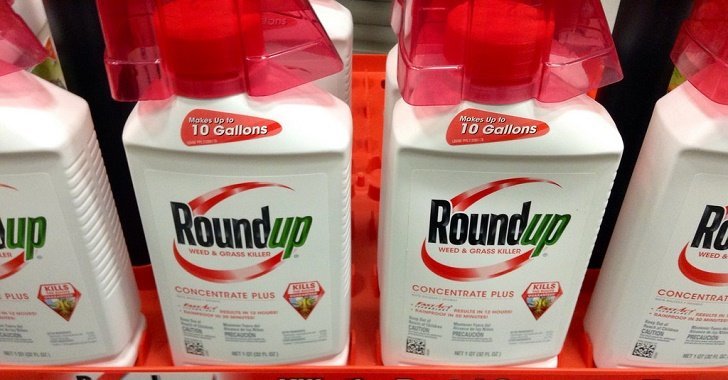

Enough glyphosate, Truthout noted, "is now used to cover nearly every acre of cultivated cropland in the U.S.," leading to widespread glyphosate tolerance, including reports of "superweeds" that are virtually immune to repeated drenchings. Use of the dangerous weedkiller has increased by more than 100 times since it first came to market in 1974.
Glyphosate originated as a pesticide, and still technically fits that classification, but it has not been included in FDA tests for pesticide residues in foods. It was only last week that the agency decided to begin testing for it. Truthout has also pointed out glyphosate "is also not included among the 200-plus chemicals on the U.S. Centers for Disease Control and Prevention's human biomonitoring program." Remarkably, the United States agencies tasked with protecting public health seem to have largely ignored glyphosate's cancer-causing potential found by WHO.
If the government's blind-eyed approach to the toxic chemical is based on Monsanto's claims, a new study published in Environmental Health should highlight the dangers of taking a company at its word.
Fourteen leading environmental health scientists issued a consensus statement of concern regarding glyphosate's safety, noting "tolerable daily intakes for glyphosate in the U.S. ... are based on outdated science." Researchers conclude the herbicide must be included in environmental persistence and toxicity studies, particularly as previous risk assessments discounted valid scientifically rigorous research. Had relevant science been included in that assessment, say the scientists, "we are nearly certain that they would have concluded that published studies collectively provide strong evidence in support of at least a ... 15 fold reduction" in the use of glyphosate in the U.S.
As use of glyphosate increases, the study warns, indications of possible damage to kidney function and disruption to the endocrine system, among other detrimental effects, warrant further study — and soon.
Comment: Dramatic increase in kidney disease in the US and abroad linked to Roundup (Glyphosate) 'Weedkiller'
"The prediction that glyphosate would never be present widely in surface water, rainfall, or groundwater has also shown to be inaccurate," the researchers warned. In addition to its employment as an herbicide, glyphosate is now widely used to dry out crops' leaves just prior to harvest — simply to make the task easier. While many indications point to the chemical's deleterious effects on humans, the "tolerable daily intake" has actually been raised in recent years, despite the faulty science affirming the change.
Comment: What's your "Daily Value" of Glyphosate?
Why should we know how much glyphosate we are ingesting?
Well, on March 20, 2015 the International Agency for Research on Cancer (IARC) produced a monograph, Evaluation of five organophosphate insecticides and herbicides, wherein as a result of IARC's research, the herbicide glyphosate [the major component in Monsanto's Roundup] has been "classified as probably carcinogenic to humans (Group A)."
According to IARC's monograph,For the herbicide glyphosate, there was limited evidence of carcinogenicity in humans for non-Hodgkin lymphoma. The evidence in humans is from studies of exposures, mostly agricultural, in the USA, Canada, and Sweden published since 2001. In addition, there is convincing evidence that glyphosate also can cause cancer in laboratory animals. On the basis of tumours in mice, the United States Environmental Protection Agency (US EPA) originally classified glyphosate as possibly carcinogenic to humans (Group C) in 1985. After a re- evaluation of that mouse study, the US EPA changed its classification to evidence of non- carcinogenicity in humans (Group E) in 1991. The US EPA Scientific Advisory Panel noted that the re-evaluated glyphosate results were still significant using two statistical tests recommended in the IARC Preamble. The IARC Working Group that conducted the evaluation considered the significant findings from the US EPA report and several more recent positive results in concluding that there is sufficient evidence of carcinogenicity in experimental animals. Glyphosate also caused DNA and chromosomal damage in human cells, although it gave negative results in tests using bacteria. One study in community residents reported increases in blood markers of chromosomal damage (micronuclei) after glyphosate formulations were sprayed nearby. [pg. 1] [CJF emphasis added]And,Glyphosate currently has the highest global production volume of all herbicides.The largest use worldwide is in agriculture. The agricultural use of glyphosate has increased sharply since the development of crops that have been genetically modified to make them resistant to glyphosate. Glyphosate is also used in forestry, urban, and home applications. Glyphosate has been detected in the air during spraying, in water, and in food. The general population is exposed primarily through residence near sprayed areas, home use, and diet, and the level that has been observed is generally low. [pg.2] [CJF emphasis added]
According to the review, one study that government agencies relied heavily upon to assess the weed killer's toxicity was based solely on findings by contractors for Monsanto, itself, who appear to have downplayed statistical anomalies in test subjects.
"Testing done by contract laboratories were commissioned by the registrant [Monsanto] and submitted to regulatory agencies. Results indicated minimal mammalian toxicity. A large review published in 2000, written by consultants associated with the registrant and drawing on unpublished industry reports, agreed with and reinforced that conclusion. However, their review did not address some statistical differences reported between test and control groups that could be interpreted more cautiously, and surely warrant further assessment."
As the review indicates, past glyphosate testing has been based on what constitutes a fatal dose to a lab animal, instead of potential, subtle health issues that develop over a longer period of time.
The scientists conclude that the the vastly increased employment of glyphosate-based herbicides in the U.S. and around the world, coupled with mounting evidence of the chemical's destructive health effects, makes further testing imperative. They suggest lack of funding not be used as an excuse for delay — and, instead, propose manufacturers contribute funding via yearly license fees or other methods. As the study concludes:
"A thorough and modern assessment of [glyphosate-based herbicide] toxicity will encompass potential endocrine disruption, impacts on the gut microbiome, carcinogenicity, and multigenerational effects looking at reproductive capability and frequency of birth defects."
Thursday, March 12, 2015
Consumer Self-Defense: 12 Ways to Drive GMOs and Roundup off the Market (Re-Post)
Lots of news to report, dear readers - to begin, Monsanto is suffering from some really bad PR, as is McDonalds.
Guess what, purveyors of FrankenFoods and other crap...we're NOT "lovin it".
I will have more to say on the subject, but for now, I leave you with this re-post from Organic Consumers, and remember to support your local farmers and green markets!
"Monsanto should not have to vouchsafe the safety of biotech food," said Phil Angell, Monsanto's director of corporate communications. "Our interest is in selling as much of it as possible. Assuring its safety is the FDA's job." - New York Times, Oct. 25, 1998
"[GMO] Labeling advocates say the issue is about transparency, not safety. Scott Faber, head of the national Just Label It campaign, testified that consumers want to know what they are buying and how the food was produced. He said advocates are not seeking a warning label, but a “factual, non-judgemental disclosure” on the back of all food packages that contain GMO ingredients.” Mary Clare Jalonic, Associated Press, December 14, 2014
“Glyphosate is the active ingredient in Monsanto's flagship herbicide, Roundup. 80% of GMO crops are engineered to withstand Roundup and GMO crops now make up 90% of the United State's corn, soy, sugar, canola, and cottonseed. Roundup is also used as a desiccant (drying agent) at harvest on 160 conventional crops. It is in our soil, in our food, and in our bodies.” GMO Free Lancaster County
“… Monsanto literature regarding Roundup encourages… farmers to apply… Roundup applications on many crops – including wheat, feed barley, oats, canola, flax, peas, lentils, and dry beans – right before harvest….” WashingtonsBlog, November 17, 2014
The technology of agricultural genetic engineering (GE) is the controversial practice of gene-splicing and disrupting the genetic blueprints of plants and trees in a lab, to produce patented seeds. The seeds are generally one of two types. One type, which includes Monsanto’s Roundup-resistant crops, produces plants that survive the spraying of poisons, while all the other plants around them die. The other type produces a plant that manufactures its own pest-killing poison, designed to target a specific pest.
Contrary to what some in the biotech industry and the media claim, genetic engineering of plants is not the same thing as selective breeding, or hybridization. Genetic modification involves inserting foreign genetic material (DNA) into an organism. Selective breeding does not.
For two decades, Monsanto and its cohorts (Syngenta, Dow, DuPont, Bayer, and BASF) have been randomly inserting the genes of one species into a non-related species, or genetically “interfering” with the instructions of an organism’s RNA—utilizing viruses, antibiotic-resistant genes and bacteria as vectors, markers and promoters—to create gene-spliced seeds and crops. Through clever marketing, they’ve captured the loyalty of North America’s (and many other nations’) chemical-intensive farmers, grain traders and Junk Food corporations. Fortunately, in the 28 member states of the European Union, where GMOs must be labeled and independently safety-tested, there are little or no GMO crops planted, and few GMO foods or food ingredients on supermarket shelves or restaurant menus.
Although Monsanto, industry scientists and corporate agribusiness claim that GMO crops and foods, and the chemicals that accompany them, are perfectly safe and therefore need no labeling or independent safety-testing, hundreds of independent scientists, that is, those not on the payroll of Monsanto or its minions, cite literally hundreds of studies showing that GMOs and their companion chemicals, such as Roundup, are extremely toxic.
Self-appointed GMO (Genetically Modified Organism) labeling “leaders” such as Scott Faber of the Just Label It campaign (a former lobbyist for the pro-GMO Grocery Manufacturers Association) need to stop repeating Monsanto and Big Food’s lies that there is no “evidence” that GMOs are dangerous for human health or the environment. As Faber stated at a Congressional Hearing on December 10, 2014:
These systemic agro-toxins, for the most part, cannot be washed off before eating. These biocides end up on our dinner plates and in our drinking water. They lodge in our bodies and in the bodies of our children, slowly but surely degrading our health and killing us. The world needs a food and farming system that is organic, climate-friendly and regenerative, one that is free of pesticides, animal drugs and chemical fertilizers—not one that is merely GMO-free.
GMOs—Just as ‘safe’ as toxic ‘conventional’ foods
When Monsanto, the FDA, or the Biotechnology Industry Organization are asked whether GMO-tainted foods are safe, notice that they always say that GMOs as “just as safe” as “conventional” (i.e. chemical and drug-tainted) foods, and pose no “unique” risks to human health or the environment. In a twisted sense they are right, because both GMO and non-GMO chemical-intensive, factory-farmed crops and foods are dangerous. They all destroy public health, animal health, soil health, the environment and contribute to global warming.
GMOs and Roundup, neonicotinoids, 2,4 D, atrazine, glufosinate, and dicamba—and all the other chemicals being sprayed on the food that we eat, and ultimately running off into water that we drink—are poison. The major reason chronic diseases like cancer, autism, diabetes and obesity, along with reproductive, behavioral, endocrine and immune system disorders, are spiraling out of control is that our environment is toxic, and we are ingesting, from the womb, to the hospital, to the grave—poisoned, pesticide-laden food.
Certainly we want mandatory labeling of GMOs at the state level (the feds are obviously too corrupt to trust on GMO labeling). But the main reason we want labeling is to defend ourselves, our families and the environment from further assault—by boycotting and driving GMO food, animal feed (most GMOs go into animal feed and biofuels, not human food), and Roundup off the market. This means that organic and grass-fed or pasture-based foods must move from being 5 percent of the market to becoming the dominant force in U.S. food and farming, as soon as possible. To achieve this, we need to boycott not just GMO foods, but all chemically contaminated foods, including factory farmed GMO-fed meat and animal products, and foods from crops sprayed with Roundup “pre-harvest,” not just in the U.S., but globally as well.
Fifteen years ago I wrote a book with Ben Lilliston on the alarming hazards of genetically engineered foods and crops: Genetically Engineered Food: A Self-Defense Guide for Consumers. Even then, it was obvious that out-of-control agro-toxic corporations like Monsanto (producers of aspartame, Agent Orange, DDT, dioxin, and PCBs) were not really interested in increasing yields, producing healthier food or reducing pesticide use—even though they made, and continue to make, these fraudulent claims ad nauseum. What Monsanto was, and is, really up to is maximizing the sales, by any means possible, of their proprietary herbicides (Roundup, dicamba), insecticides (Bt), seeds (corn, soy, cotton, canola, sugar beets, alfalfa) and animal drugs (recombinant Bovine Growth Hormone or rBGH, now owned by Elanco).
Already in 1989, scores of consumers had been killed, and thousands permanently injured after they ingested a heretofore-safe over-the-counter nutritional supplement called L-tryptophan, which for the first time had been laced with genetically engineered enzymes. Although the FDA tried to cover up the deadly consequences of this first product of genetic engineering, the Japanese pharmaceutical company, Showa Denka, which manufactured the genetically engineered supplement, ended up paying out $2 billion to the consumers it had poisoned.
In 1994, Monsanto’s minions in the FDA (including Monsanto lawyer, and later Obama Food Czar, Michael Taylor) forced onto the market the controversial recombinant Bovine Growth Hormone (rBGH). rBGH was marketed to dairy farmers who injected the hormone into dairy cows to force them to produce more milk. It was brought to market, despite mounting evidence of increased antibiotic resistance and cancer risks, and over the objections of the General Accounting Office (Congress’ watchdog agency), and the Consumers Union, the Cancer Prevention Coalition and the Pure Food Campaign. Although approved for sale in the U.S., rBGH was subsequently banned in Europe, Canada, and most industrialized nations.
A few years later, a gene-spliced soybean patented by Pioneer Hybrid, designed as an “improved” animal feed which would be planted on millions of acres, was pulled from production when scientists realized that it would set off deadly allergies in humans who unwittingly ingested the Brazil nut-spliced soybeans.
Also in 1996-98, as soon as Monsanto’s genetically engineered, “Roundup- Resistant,” soybeans, corn, canola and cotton hit the market—over the objections of independent scientists, environmentalists, and food safety experts—the use, contamination and residues on food of this toxic herbicide began to skyrocket.
Pesticides and flawed, industry-manufactured ‘science
Genetic engineering corporations and their indentured journalists, scientists and government bureaucrats have proclaimed since 1992 that their mutant GMO foods and animal feeds—and the toxic chemicals used along with them—are perfectly safe, basing their claims on 1,700 (Monsanto’s current number) so-called “scientific studies.”
Of course the problem with these Monsanto-endorsed studies “proving” that GMOs and Roundup are safe is that they are typically industry-funded, distorted, short-term, typically non-peer-reviewed, and commonly omitting or hiding crucial data as “proprietary.” In addition to ignoring the hundreds of peer-reviewed articles in the public domain that clearly show damage from GMOs or Roundup, many of the 1700 studies purporting to prove the safety of GMOs actually do show harm.
When pro-GMO scientists look at the safety of GMO foods, 80 percent of which are heavily sprayed with Roundup, they typically look only narrowly at the “active” ingredient in Roundup, ignoring the chemical breakdown agent or metabolite AMPA, which is linked to liver disease, and the highly toxic “inert” ingredients in the herbicide, including: ammonium sulfate, benzisothiazolone, glycerine, isobutene, isopropylamine, polyethoxylated alkylamines, polyethoxilated, tallowamine, and POE-15.
As André Leu points out in his critically-acclaimed recent book, “The Myths of Safe Pesticides:”
As Leu states:
Moreover Monsanto and the pesticide industry conveniently hide the fact that hormone receptors in human body cells often “misidentify” tiny parts-per-billion, or even parts-per-trillion, of pesticides as if they are human hormones, converting these pesticide residues into potent and deadly hormone disruptors. In other words, there really is no “safe limit” for Roundup or other pesticide residues in human food, animal feed, municipal drinking water or breast milk.
Even though the government claims that it is using sound science to determine “safe” residue levels of pesticides such as Monsanto’s Roundup, a USDA official recently admitted to a Reuters reporter that they are not even testing for glyphosate, the active ingredient in Roundup:
As Dr. Michael Hansen of the Consumers Union pointed out in his testimony to the American Medical Association on March 19, 2012:
An increasing number of scientists and consumer advocates warn that current gene-splicing techniques are crude, inexact and unpredictable, and that the toxic chemicals, especially Monsanto’s Roundup, sprayed on these genetically engineered seeds and plants are incredibly dangerous. In October 2013, more than 200 scientists, physicians, academics and experts from disciplines relevant to the scientific, legal, social and safety assessment GMOs issued a statement which said, “we strongly reject claims by GM seed developers and some scientists, commentators, and journalists that there is a ‘scientific consensus’ on GMO safety and that the debate on this topic is ‘over.'"
It is now blatantly obvious that GMOs are nothing more than patented Pesticide Delivery Systems (PDS) designed to increase sales of poisonous agrochemicals such as Roundup, glufosinate, Bt, 2,4 D and neonicotinoids. To claim that GMOs are perfectly safe is equivalent to saying that pesticides, herbicides and fungicides—systemically laced at ever-higher levels into GMO-tainted human food and animal feed—are perfectly safe. And to make matters worse, hundreds of millions of pounds of Monsanto’s Roundup, the most widely used herbicide in the world, are now routinely sprayed on 160 different crops, just before harvest, including wheat, potatoes, oats, canola, flax, peas and dried beans. In other words, just about every non-organic item in your supermarket, or every item on your restaurant menu (bread, potatoes, meat, milk,) is now tainted with Roundup.
Guess what, purveyors of FrankenFoods and other crap...we're NOT "lovin it".
I will have more to say on the subject, but for now, I leave you with this re-post from Organic Consumers, and remember to support your local farmers and green markets!
Consumer Self-Defense: 12 Ways to Drive GMOs and Roundup off the Market
"Monsanto should not have to vouchsafe the safety of biotech food," said Phil Angell, Monsanto's director of corporate communications. "Our interest is in selling as much of it as possible. Assuring its safety is the FDA's job." - New York Times, Oct. 25, 1998
"[GMO] Labeling advocates say the issue is about transparency, not safety. Scott Faber, head of the national Just Label It campaign, testified that consumers want to know what they are buying and how the food was produced. He said advocates are not seeking a warning label, but a “factual, non-judgemental disclosure” on the back of all food packages that contain GMO ingredients.” Mary Clare Jalonic, Associated Press, December 14, 2014
“Glyphosate is the active ingredient in Monsanto's flagship herbicide, Roundup. 80% of GMO crops are engineered to withstand Roundup and GMO crops now make up 90% of the United State's corn, soy, sugar, canola, and cottonseed. Roundup is also used as a desiccant (drying agent) at harvest on 160 conventional crops. It is in our soil, in our food, and in our bodies.” GMO Free Lancaster County
“… Monsanto literature regarding Roundup encourages… farmers to apply… Roundup applications on many crops – including wheat, feed barley, oats, canola, flax, peas, lentils, and dry beans – right before harvest….” WashingtonsBlog, November 17, 2014
The technology of agricultural genetic engineering (GE) is the controversial practice of gene-splicing and disrupting the genetic blueprints of plants and trees in a lab, to produce patented seeds. The seeds are generally one of two types. One type, which includes Monsanto’s Roundup-resistant crops, produces plants that survive the spraying of poisons, while all the other plants around them die. The other type produces a plant that manufactures its own pest-killing poison, designed to target a specific pest.
Contrary to what some in the biotech industry and the media claim, genetic engineering of plants is not the same thing as selective breeding, or hybridization. Genetic modification involves inserting foreign genetic material (DNA) into an organism. Selective breeding does not.
For two decades, Monsanto and its cohorts (Syngenta, Dow, DuPont, Bayer, and BASF) have been randomly inserting the genes of one species into a non-related species, or genetically “interfering” with the instructions of an organism’s RNA—utilizing viruses, antibiotic-resistant genes and bacteria as vectors, markers and promoters—to create gene-spliced seeds and crops. Through clever marketing, they’ve captured the loyalty of North America’s (and many other nations’) chemical-intensive farmers, grain traders and Junk Food corporations. Fortunately, in the 28 member states of the European Union, where GMOs must be labeled and independently safety-tested, there are little or no GMO crops planted, and few GMO foods or food ingredients on supermarket shelves or restaurant menus.
Although Monsanto, industry scientists and corporate agribusiness claim that GMO crops and foods, and the chemicals that accompany them, are perfectly safe and therefore need no labeling or independent safety-testing, hundreds of independent scientists, that is, those not on the payroll of Monsanto or its minions, cite literally hundreds of studies showing that GMOs and their companion chemicals, such as Roundup, are extremely toxic.
Self-appointed GMO (Genetically Modified Organism) labeling “leaders” such as Scott Faber of the Just Label It campaign (a former lobbyist for the pro-GMO Grocery Manufacturers Association) need to stop repeating Monsanto and Big Food’s lies that there is no “evidence” that GMOs are dangerous for human health or the environment. As Faber stated at a Congressional Hearing on December 10, 2014:
“We do not oppose… genetically modified food ingredients. We think there are many promising applications of genetically modified food ingredients… I am optimistic that the promises that were made by the providers of this technology will ultimately be realized…that we will have traits that produce more nutritious food that will see significant yield…”
Given the current barrage of pro-GMO propaganda in the mass media, “GMO-Free” proponents need to put far greater emphasis on the fact that it isn’t just the imprecise and unpredictable nature of gene-splicing itself—a process that produces toxin and allergens, and shuts down essential gene functions—that threatens human health and the environment. The billions of pounds of systemic toxic pesticides (herbicides, insecticides, and fungicides), especially Roundup, that are used on GMO and so-called conventional crops, are equally, if not more, hazardous to human health and the environment.These systemic agro-toxins, for the most part, cannot be washed off before eating. These biocides end up on our dinner plates and in our drinking water. They lodge in our bodies and in the bodies of our children, slowly but surely degrading our health and killing us. The world needs a food and farming system that is organic, climate-friendly and regenerative, one that is free of pesticides, animal drugs and chemical fertilizers—not one that is merely GMO-free.
GMOs—Just as ‘safe’ as toxic ‘conventional’ foods
When Monsanto, the FDA, or the Biotechnology Industry Organization are asked whether GMO-tainted foods are safe, notice that they always say that GMOs as “just as safe” as “conventional” (i.e. chemical and drug-tainted) foods, and pose no “unique” risks to human health or the environment. In a twisted sense they are right, because both GMO and non-GMO chemical-intensive, factory-farmed crops and foods are dangerous. They all destroy public health, animal health, soil health, the environment and contribute to global warming.
GMOs and Roundup, neonicotinoids, 2,4 D, atrazine, glufosinate, and dicamba—and all the other chemicals being sprayed on the food that we eat, and ultimately running off into water that we drink—are poison. The major reason chronic diseases like cancer, autism, diabetes and obesity, along with reproductive, behavioral, endocrine and immune system disorders, are spiraling out of control is that our environment is toxic, and we are ingesting, from the womb, to the hospital, to the grave—poisoned, pesticide-laden food.
Certainly we want mandatory labeling of GMOs at the state level (the feds are obviously too corrupt to trust on GMO labeling). But the main reason we want labeling is to defend ourselves, our families and the environment from further assault—by boycotting and driving GMO food, animal feed (most GMOs go into animal feed and biofuels, not human food), and Roundup off the market. This means that organic and grass-fed or pasture-based foods must move from being 5 percent of the market to becoming the dominant force in U.S. food and farming, as soon as possible. To achieve this, we need to boycott not just GMO foods, but all chemically contaminated foods, including factory farmed GMO-fed meat and animal products, and foods from crops sprayed with Roundup “pre-harvest,” not just in the U.S., but globally as well.
Fifteen years ago I wrote a book with Ben Lilliston on the alarming hazards of genetically engineered foods and crops: Genetically Engineered Food: A Self-Defense Guide for Consumers. Even then, it was obvious that out-of-control agro-toxic corporations like Monsanto (producers of aspartame, Agent Orange, DDT, dioxin, and PCBs) were not really interested in increasing yields, producing healthier food or reducing pesticide use—even though they made, and continue to make, these fraudulent claims ad nauseum. What Monsanto was, and is, really up to is maximizing the sales, by any means possible, of their proprietary herbicides (Roundup, dicamba), insecticides (Bt), seeds (corn, soy, cotton, canola, sugar beets, alfalfa) and animal drugs (recombinant Bovine Growth Hormone or rBGH, now owned by Elanco).
Already in 1989, scores of consumers had been killed, and thousands permanently injured after they ingested a heretofore-safe over-the-counter nutritional supplement called L-tryptophan, which for the first time had been laced with genetically engineered enzymes. Although the FDA tried to cover up the deadly consequences of this first product of genetic engineering, the Japanese pharmaceutical company, Showa Denka, which manufactured the genetically engineered supplement, ended up paying out $2 billion to the consumers it had poisoned.
In 1994, Monsanto’s minions in the FDA (including Monsanto lawyer, and later Obama Food Czar, Michael Taylor) forced onto the market the controversial recombinant Bovine Growth Hormone (rBGH). rBGH was marketed to dairy farmers who injected the hormone into dairy cows to force them to produce more milk. It was brought to market, despite mounting evidence of increased antibiotic resistance and cancer risks, and over the objections of the General Accounting Office (Congress’ watchdog agency), and the Consumers Union, the Cancer Prevention Coalition and the Pure Food Campaign. Although approved for sale in the U.S., rBGH was subsequently banned in Europe, Canada, and most industrialized nations.
A few years later, a gene-spliced soybean patented by Pioneer Hybrid, designed as an “improved” animal feed which would be planted on millions of acres, was pulled from production when scientists realized that it would set off deadly allergies in humans who unwittingly ingested the Brazil nut-spliced soybeans.
Also in 1996-98, as soon as Monsanto’s genetically engineered, “Roundup- Resistant,” soybeans, corn, canola and cotton hit the market—over the objections of independent scientists, environmentalists, and food safety experts—the use, contamination and residues on food of this toxic herbicide began to skyrocket.
Pesticides and flawed, industry-manufactured ‘science
Genetic engineering corporations and their indentured journalists, scientists and government bureaucrats have proclaimed since 1992 that their mutant GMO foods and animal feeds—and the toxic chemicals used along with them—are perfectly safe, basing their claims on 1,700 (Monsanto’s current number) so-called “scientific studies.”
Of course the problem with these Monsanto-endorsed studies “proving” that GMOs and Roundup are safe is that they are typically industry-funded, distorted, short-term, typically non-peer-reviewed, and commonly omitting or hiding crucial data as “proprietary.” In addition to ignoring the hundreds of peer-reviewed articles in the public domain that clearly show damage from GMOs or Roundup, many of the 1700 studies purporting to prove the safety of GMOs actually do show harm.
When pro-GMO scientists look at the safety of GMO foods, 80 percent of which are heavily sprayed with Roundup, they typically look only narrowly at the “active” ingredient in Roundup, ignoring the chemical breakdown agent or metabolite AMPA, which is linked to liver disease, and the highly toxic “inert” ingredients in the herbicide, including: ammonium sulfate, benzisothiazolone, glycerine, isobutene, isopropylamine, polyethoxylated alkylamines, polyethoxilated, tallowamine, and POE-15.
As André Leu points out in his critically-acclaimed recent book, “The Myths of Safe Pesticides:”
“There are numerous studies that show that Roundup is more toxic than its active ingredient, glyphosate. These studies link the pesticide to a range of health problems such as cancer, placental cell damage, miscarriages, stillbirths, endocrine disruption, and damage to various organs such as the kidney and the liver… [inert ingredients in pesticides] amplify up to 1000 times the toxicity of their AP [active ingredient].” – “The Myths of Safe Pesticides,” p. 11, Acres USA, 2014).
In addition to ignoring the dangers of Roundup’s metabolites and “inert” ingredients, industry-sponsored scientists overlook the fact that multiple pesticide residues are routinely found on most (non-organic) GMO and “conventional” foods—and that these multiple-residue chemical cocktails are often far more toxic, even in tiny doses, than the pesticide being studied.As Leu states:
“The ever increasing body of peer-reviewed science shows that the current methodology of only testing the active ingredient as a single agent and not testing common combinations is flawed and insufficient to determine the safety of chemical exposure in a real world situation where humans are exposed to daily cocktails of chemicals.” – “The Myths of Safe Pesticides,” p. 8).
In allowing supposedly safe “maximum residue limits” and “average daily intake” (ADI) levels of toxic poisons like Roundup in our food and water, government regulators are recklessly ignoring the fact that most (non-organic) foods today, GMO and non-GMO alike, are being sprayed with Roundup, either as an herbicide or a pre-harvest desiccant. The nearly omnipresent accumulation of these Roundup residues in produce, processed foods, meat and animal products (unless they are organic) is extremely hazardous, causing birth defects, gene mutations, chromosomal aberrations and cancer. They destroy our essential gastrointestinal biome (gut) health by killing off the beneficial microorganisms and bacteria in our stomach and promoting the “bad” microorganisms that can lead to gastrointestinal disorders, obesity, diabetes, heart disease, depression, autism, infertility, and Alzheimers. (“The Myths of Safe Pesticides,” pp.69-70).Moreover Monsanto and the pesticide industry conveniently hide the fact that hormone receptors in human body cells often “misidentify” tiny parts-per-billion, or even parts-per-trillion, of pesticides as if they are human hormones, converting these pesticide residues into potent and deadly hormone disruptors. In other words, there really is no “safe limit” for Roundup or other pesticide residues in human food, animal feed, municipal drinking water or breast milk.
Even though the government claims that it is using sound science to determine “safe” residue levels of pesticides such as Monsanto’s Roundup, a USDA official recently admitted to a Reuters reporter that they are not even testing for glyphosate, the active ingredient in Roundup:
“As has been the case with past analyses, the USDA said it did not test this past year for residues of glyphosate, the active ingredient in Roundup herbicide and the world's most widely used herbicide. A USDA spokesman who asked not to be quoted said that the test measures required for glyphosate are ‘extremely expensive... to do on a regular basis’...”
When the FDA sends out a letter to Monsanto (or Dow, Dupont, Syngenta or any other biotech company) approving the commercialization of a new GMO, they basically admit that they, the FDA, have not conducted their own independent studies on the GMO, but rather are accepting the studies submitted by the company as proof of efficacy and safety.As Dr. Michael Hansen of the Consumers Union pointed out in his testimony to the American Medical Association on March 19, 2012:
“The lack of adequate safety testing can be seen in the letter FDA sends to the company after completion of a ‘safety consultation.’ For example, the letter sent to Monsanto on September 25, 1996, about one of their first Bt-corn varieties, MON810, states, ‘Based on the safety and nutritional assessment you have conducted, it is our understanding that Monsanto has concluded that corn, grain, and forage derived from the new variety are not materially different in composition, safety of other relevant parameters from corn, grain, and forage currently on the market, and that they do not raise issues that would require premarket review or approval by FDA.’ Note that FDA does not state its own opinion about the safety of this crop; it only states what the company believes. The letters for all 84 ‘safety consultations’ done since the Flavr Savr tomato [1994] contain basically the same language. This clearly shows that the FDA does not conduct safety assessments.”
Monsanto and the genetic engineering lobby have incessantly proclaimed, with little or no evidence whatsoever, that these controversial crops and foods will reduce pesticide use, eliminate world hunger, cure disease, mitigate climate change and vastly improve public health. However, a close look at their actual business practices, sales figures, political lobbying and bullying in court (suing hundreds of farmers for the “crime” of saving seeds) reveal Monsanto’s true goals: to monopolize the global market for seeds, foods and fiber, and to sell as many toxic herbicides, insecticides, and fungicides as possible.An increasing number of scientists and consumer advocates warn that current gene-splicing techniques are crude, inexact and unpredictable, and that the toxic chemicals, especially Monsanto’s Roundup, sprayed on these genetically engineered seeds and plants are incredibly dangerous. In October 2013, more than 200 scientists, physicians, academics and experts from disciplines relevant to the scientific, legal, social and safety assessment GMOs issued a statement which said, “we strongly reject claims by GM seed developers and some scientists, commentators, and journalists that there is a ‘scientific consensus’ on GMO safety and that the debate on this topic is ‘over.'"
It is now blatantly obvious that GMOs are nothing more than patented Pesticide Delivery Systems (PDS) designed to increase sales of poisonous agrochemicals such as Roundup, glufosinate, Bt, 2,4 D and neonicotinoids. To claim that GMOs are perfectly safe is equivalent to saying that pesticides, herbicides and fungicides—systemically laced at ever-higher levels into GMO-tainted human food and animal feed—are perfectly safe. And to make matters worse, hundreds of millions of pounds of Monsanto’s Roundup, the most widely used herbicide in the world, are now routinely sprayed on 160 different crops, just before harvest, including wheat, potatoes, oats, canola, flax, peas and dried beans. In other words, just about every non-organic item in your supermarket, or every item on your restaurant menu (bread, potatoes, meat, milk,) is now tainted with Roundup.
A 12-point agenda for driving GMOs off the market
The anti-GMO and organic Movement has come a long way in the past two decades. But given the dangers posed by GMOs and Roundup, it’s time to move aggressively forward. Here are a dozen crucial steps we need to take in 2015 to drive GMOs and Roundup off the market.
The anti-GMO and organic Movement has come a long way in the past two decades. But given the dangers posed by GMOs and Roundup, it’s time to move aggressively forward. Here are a dozen crucial steps we need to take in 2015 to drive GMOs and Roundup off the market.
1. Stop Congress from passing the Pompeo bill (HR #4432) in 2015, which would take away states rights to pass mandatory GMO food labeling bills, and make it legal for unscrupulous food and beverage companies to continue mislabeling GMO-tainted foods as “natural” or “all natural.”
2. Stop Congress from “fast-tracking” and passing secretly negotiated “Free Trade” agreements (the TPP-Trans-Pacific Partnership, and TTIP-Transatlantic Trade and Investment Partnership) that would weaken consumer and states rights to label and safety test GMO and factory-farmed foods.
3. Pass more state laws requiring mandatory labels on GMOs.
4. Pass more bans on GMOs, neonicotinoids and pesticides at the township, city, and county levels.
5. Support Vermont, Maui (Hawaii), Jackson and Josephine counties (Oregon) in their federal and state legal battles to uphold their laws requiring labels and/or bans on GMOs.
6. Educate the public on the dangers and cruelty of GMO-fed, factory-farmed meat, dairy and egg products, and organize a “Great Boycott” of all factory-farmed foods.
7. Support mandatory state legislation to label dairy products and chain restaurant food coming from factory farms or CAFOs (Confined Animal Feeding Operations).
8. Pressure retail natural food stores and coops to follow the lead of Whole Foods Market and the Natural Grocer to label and/or ban all GMO-derived foods, including meat and animal products and deli foods, from their stores.
9. Pressure restaurants to follow the lead of organic/grass fed restaurants and ban, or at least label, all GMO ingredients.
10. Support consumer efforts to test for Roundup/glyphosate contamination in drinking water, human urine, breast milk, and in non-GMO food products such as wheat, potatoes, oats, peas, lentils and dry beans that are currently sprayed with Roundup before harvest.
11. Educate the public on the positive health, environmental, ethical and climate-friendly (greenhouse gas sequestering) attributes of organic, grass-fed, and pasture-raised food and farming.
12. Boycott the “Traitor Brand” products of the Grocery Manufacturers Association, International Dairy Foods Association, and the Snack Food Association.
Ronnie Cummins is international director of the Organic Consumers Association and its Mexico affiliate, Via Organica. Tuesday, November 4, 2014
GMOs/WAR - What Are They Good For? NOTHING (R8 Re-Post)
GMOs/WAR - What Are They Good For? NOTHING

Happy Friday, dear readers!
Bill de Blasio is standing tall in the polls, with a scant number of days left until the primary.
Let's look for the newspapers that endorsed Christine Quinn to make an attempt at derailing his campaign.
Let's be ready to fight back.
Similarly - what dirty tricks will Breezy Point Joe pull out to steal the office of the District Attorney of Kings County away from Ken Thompson?
Once again, let's be ready.
Labor Day Weekend is upon us. I hope that everyone has something fun awaiting them.
We almost didn't have a promising future ahead, with the impending attack upon Syria. I was saddened to see Secretary of State John Kerry reduced to being Colin Powell redux, providing the same flawed rationale for maiming our young men and women in the armed forces.
I will fight for my country, but I won't fight for LIES.
I imagine that there's all sorts of things that could be discussed right now, but what I'm going to post right now is true food for thought, and I will preface it with this information that I read just this morning:
Have a good holiday weekend, dear readers - I wish all of you well. The following is for your health and well-being.
Glyphosate and Roundups Implications on Modern Diseases
Bill de Blasio is standing tall in the polls, with a scant number of days left until the primary.
Let's look for the newspapers that endorsed Christine Quinn to make an attempt at derailing his campaign.
Let's be ready to fight back.
Similarly - what dirty tricks will Breezy Point Joe pull out to steal the office of the District Attorney of Kings County away from Ken Thompson?
Once again, let's be ready.
Labor Day Weekend is upon us. I hope that everyone has something fun awaiting them.
We almost didn't have a promising future ahead, with the impending attack upon Syria. I was saddened to see Secretary of State John Kerry reduced to being Colin Powell redux, providing the same flawed rationale for maiming our young men and women in the armed forces.
I will fight for my country, but I won't fight for LIES.
I imagine that there's all sorts of things that could be discussed right now, but what I'm going to post right now is true food for thought, and I will preface it with this information that I read just this morning:
Processed foods lack enzymes - enzymes that are essential to health. Without these enzymes, your body cannot act on the nutrients present within foods.I remembered this right before picking up a bottle of Naked Juice. I may attempt to contact someone at Naked to inquire about their methods of production to confirm whether or not their products can actually provide what they promise. More on that in a future posting. (No need to wait, dear readers - Vani of FoodBabe confirmed that NJ is no good.)
Have a good holiday weekend, dear readers - I wish all of you well. The following is for your health and well-being.
Glyphosate and Roundups Implications on Modern Diseases
(ALTHeadlines)
An interview with Stephanie Seneff, PhD: Co-author of "Glyphosate’s Suppression of Cytochrome P450 Enzymes and Amino Acid Biosynthesis by the Gut Microbiome: Pathways to Modern Diseases."
Catherine J. Frompovich
Activist Post
In April 2013, independent scientist Anthony Samsel and MIT scientist Stephanie Seneff published their mega studies analysis of glyphosate titled “Glyphosate’s Suppression of Cytochrome P450 Enzymes and Amino Acid Biosynthesis by the Gut Microbiome: Pathways to Modern Diseases” in the online journal, Entropy. With 286 peer-reviewed papers analyzed, Samsel and Seneff documented that glyphosate—and the herbicide Roundup®, in particular—has deleterious impact on disease causality in laboratory and farm animals, and humans.
This is an interview with co-author Stephanie Seneff, of the Computer Science and Artificial Intelligence Laboratory, Massachusetts Institute of Technology, Cambridge, Mass.
Before we get into details, will you please tell us how glyphosate and Roundup® came into being? Who owns it and how profitable a commodity is it for that corporation?
Monsanto is the inventor of glyphosate, the active ingredient in Roundup®. It was brought to market first in the U.S. in the mid 1970s, and it came out from under patent in 2000, making it far more attractive as an herbicide due to the reduced cost.
Didn’t Monsanto produce saccharine (1901?), DDT (1944), Agent Orange for the Vietnam War (1960s-1970s), Posilac®—bovine somatotropin (Bst) for dairy cows (1994), Roundup Ready® soybeans (1996), Roundup Ready® Cotton and Roundup Ready® Canola (1997), Roundup Ready® Corn (1998), and receive USDA authorization for planting Genuity® Roundup Ready® Alfalfa and Genuity® Roundup Ready® Sugarbeets in 2011?
Yes. Monsanto has a long record of producing toxic chemicals.
Some of Monsanto’s chemicals have been taken off the market because of environmental issues. Which are they?
Well, of course DDT comes to mind. It was banned in 1972 in the US, due in part to the tireless campaigns of Rachel Carson, author of Silent Spring. Bovine growth hormone has not been taken off the market yet, but there is a great deal of public awareness of its problems, and many dairies have stopped using it to boost milk supplies from the cows, recognizing its adverse health effects for the cows as well as potential risk to the consumer.
What do you think is the likelihood of that happening with glyphosate, since its apparent long-range health impacts are just becoming recognized, and they definitely are not favorable?
It would be so wonderful if glyphosate were to be banned. I can dream that it might happen some day. It’s absolutely clear to me that it should be banned, but public opinion is very far away from that point of view. Monsanto has worked very hard to promote the idea that glyphosate is nearly harmless to humans. So, it’s going to take a serious amount of reeducation, or some catastrophe like half the children born diagnosed on the autism spectrum, to turn that around.
How long has Roundup® been on the market, and how many gallons are used every year in the USA alone, not to mention globally?
It’s been on the market since 1975, and was first introduced into the US market. The US market today represents 25% of the total sales worldwide. In our paper we showed how the usage has gone up substantially in step with the increased penetration of GMO crops that are “Roundup Ready.” In 2001 an estimated total of 85 to 90 million pounds of it were used in the US alone, and this number more than doubled by 2007. I expect it may have doubled again since then, but we didn’t find hard numbers on that.
Glyphosate/Roundup is an organophosphate. Can you please explain what the problems are with that type of herbicide? Also, there is another organophosphate with an almost similar sounding name; it is glufosinate. Did you do any research on glufosinate?
Technically, glyphosate is an “organophosphonate,” not quite the same as an organophosphate but close. You're right that glyphosate and glufosinate are “cousins” with similar molecular structures and probably similar effects. We haven't specifically studied glufosinate, but I’d imagine it’s just as damaging as glyphosate. Glyphosate disrupts the shikimate pathway, which plants use to produce a set of essential aromatic amino acids. All microbes also have this pathway, and it’s essential for their well-being. So glyphosate would be expected to disrupt gut bacteria, and it has been shown to be the case in research studies on cows and chickens.
What was the motivation to perform such an exhaustive study on glyphosate?
I have been studying autism for many years, trying to understand the underlying physiological dysfunction that causes it and trying to identify potential environmental factors that could be causative. It’s clear to me that autism has environmental causes, because genetic factors would not increase at such an alarming rate. The rate of autism in the US was one in 10,000 in 1970. Today it is one in fifty. And I anticipate that it will get much higher in the next ten years if we stay the course. I can't even begin to think about how that will impact our society.
Last September, I had the privilege to hear Prof. Don Huber, a retired professor from Purdue University who is an expert on plant physiology, give a two-hour lecture on glyphosate and Roundup, and I nearly fell out of my chair, because it became clear to me that the factors I was seeing in association with autism could all be explained by the known physiological effects of glyphosate. I was lucky to hook up with Anthony Samsel, who is an expert on environmental toxins, and he taught me much more about glyphosate. We were able to synthesize a plausible story for how glyphosate exposure in both the mom and the child could lead to autism. But, in addition, we realized that it could also explain a host of other problems that are reaching epidemic proportions in this country, such as obesity, depression, gastrointestinal distress, and Alzheimer's disease.
In your paper you say that the European Union is being asked by industry to approve higher levels of glyphosate in food crops. Why such a proposal and can you discuss that a little?
I’d imagine that it’s simply that food was coming in from the US that was exceeding the limits that had been set. I think the limits are generally set somewhat arbitrarily based on what is measured in the food. Since most people think that glyphosate is nontoxic to humans, there does not seem to be too much concern raised when limits are jacked up by a factor of ten or even one hundred!
Does that have anything to do with the supposed notion that glyphosate has a minimal toxicity effect in humans, which was based upon Monsanto’s safety/toxicity studies done for only 3 months on laboratory animals?
That's right.
Didn’t your research find that Professor Seralini’s two-year study contradicted Monsanto’s 3-month studies? Will you please elaborate on that and the apparent implications?
Yes. Seralini’s research showed that glyphosate has devastating effects on the health of rats over the long term. Mammary tumors, kidney failure, liver cancer, etc. Glyphosate is insidious because it’s not immediately obvious that it has caused a problem. It slowly depletes certain vital nutrients until eventually you can become very sick.
Can you explain why you contend that glyphosate is an environmental toxin that may be responsible for dysbiosis (what is that?) and sulfate depletion (what is that and its significance)?
By examining the results of studies on microbes, plants and animals, one can extrapolate to what would likely happen to humans, and this leads to the conclusion that major biological systems would become disrupted (dysbiosis). Gut dysbiosis refers to an imbalance in gut bacteria such that there are too few beneficial bacteria and too many pathogenic forms. Our studies led us to predict that glyphosate would disrupt both sulfate transport (through competitive inhibition) and sulfate synthesis (by disrupting the enzyme responsible for sulfate synthesis). Sulfate plays a huge role (not sufficiently well acknowledged) in all the cells in the body for maintaining a healthy interface with the local environment and for cell-cell communication. And it’s also essential in neurotransmission.
What led you to say that glyphosate may be the most significant environmental toxin contributing to autism?
That requires a long answer! So many things line up between glyphosate and autism that I hardly know where to begin! Prior to even considering glyphosate, I had identified two key pathologies that co-occur on a regular basis with autism. These are disrupted gut bacteria and impaired sulfur metabolism. It turns out that glyphosate easily explains both of these, as we described in our paper. There are now three papers we're aware of that show disrupted gut bacteria (overgrowth of pathogens and inflammatory gut) in chickens, cows, and pigs. The one on pigs just came out and was not available when we wrote our paper. Glyphosate has been shown to deplete methionine, an essential sulfur-containing amino acid which plays physiological roles related to both methylation and sulfate synthesis. Serotonin depletion is also associated with autism, as well as many other conditions that are prevalent today in the US, including Alzheimer's, obesity, depression, suicide, and homicide (violent behavior). Plots showing autism rates in the US and Roundup usage on corn and soy crops show a remarkable correspondence.
What are the key pathological biological effects of glyphosate that can explain or parallel the characteristic features of autism?
As I said before, overgrowth of pathogens is an important one. This causes inflammatory gut, but also these pathogens release toxins that can get into the brain and cause neurological damage. More than this, glyphosate chelates essential minerals such as iron, zinc, copper, cobalt, molybdenum, manganese, etc. Some of these are very rare, but the body uses them in important ways, such that, when they're depleted, major pathways get disrupted. Another really insidious effect is that it disrupts a class of enzymes called cytochrome P450 enzymes, also known as CYP enzymes. There are many different CYP enzymes in the liver that control things like cholesterol homeostasis, vitamin D activation, and, most significantly, detoxification of many different environmental toxins. For example, the liver depends on CYP enzymes to detoxify Tylenol, and an excess sensitivity to Tylenol has been implicated in autism. And CYP enzymes also detoxify pesticides (organophosphates), so these become more toxic in the presence of glyphosate. I think this might explain the bee colony die-off.
Your research indicates that glyphosate contributes to or induces inflammatory bowel disease and a host of other diseases. Will you tell us about them? Also, aren’t bowel problems a prime health concern with autistic children? How many papers did you find regarding ASD children with bowel problems?
Many people have studied the relationship between autism and inflammatory bowel disease, and it has become quite clear that there's a connection. Andrew Wakefield was among the first to recognize this connection. He's the doctor who wrote the paper in Lancet on MMR and autism that was later retracted due to the influence of the vaccine industry. I would say that the inflammatory bowel disease introduces toxins into the brain that lead to a disruptions of normal maturation processes in the brain. The defective neural network leads to the autistic behavior patterns. I expect something similar is going on with Alzheimer’s disease and depression. Glyphosate is also a likely risk factor for certain cancers. I wonder a lot about breast cancer, which is very common among women in America today. Given Seralini’s results on mammary tumors in rats, one has to wonder.
What can you tell us about the gut microbiome of chickens that needs to be investigated further with regard to glyphosate in chicken feed? How does that impact eggs and chicken meat people eat as food?
We found an article that talked about disrupted gut bacteria in chickens. Highly pathogenic strains of Salmonella and Clostridium were found to be highly resistant to glyphosate, whereas beneficial bacteria such as Enterococcus, Bacillus and Lactobacillus were found to be especially susceptible. I have no idea what this does to the meat and eggs derived from the chicken, but knowing this has convinced me to buy only organic chicken.
According to your research, glyphosate disrupts the body’s ability to detoxify other environmental toxins and leads to synergistic enhancement of toxicity. That’s extremely problematic insofar as the etiology of inflammation, chronic disease patterns, and the formation of adducts which reprogram DNA. Will you please comment on that?
Well, I imagine you might be referring to DNA getting bound to aluminum and then becoming resistant to clean-up by the immune cells. I have read papers theorizing that this is how the autoimmune disease ASIA could develop (Autoimmune Syndrome Induced by Adjuvants). The DNA would burst out of a cell that dies suddenly due to excess exposure to aluminum, and then, because it can't be broken down (bound to aluminum), it would be interpreted as being foreign and the body would develop an immune reaction to its own DNA. Glyphosate would interfere with the body's ability to dispose of the aluminum, increasing the likelihood of this kind of reaction.
Something most folks may not know is that glyphosate’s increasing toxic burden rates in humans may be impacting fertility, decreasing birth rates, and even contributing to the obesity epidemic. How can that be?
Well, I mentioned before that obesity is one of the conditions associated with serotonin deficiency. The sole precursor of serotonin is an aromatic amino acid, tryptophan, whose synthesis glyphosate directly disrupts. This is well known. I think obesity is also a protective measure to allow the fat cells to sequester environmental toxins that can't be eliminated due to glyphosate's disruption of both CYP enzymes and sulfur metabolism. Aromatase is a CYP enzyme that plays an important role in embryonic development, and glyphosate disrupts aromatase function. Glyphosate also likely interferes with the breakdown of retinoic acid, which could mess up the timing in embryonic development. Cholesterol sulfate plays an essential role in fertilization, and we argued in our paper that glyphosate would interfere with cholesterol sulfate synthesis through its effects on CYP enzymes. This also impacts autism. The obesity epidemic in this country began in 1975, coincident with the introduction of glyphosate into the food chain. And our slippage in infant mortality rates also began in 1975. We’re now #46 behind Cuba and Guam in infant mortality, which is abysmal, considering how much we spend on health care.
A major concern I have, as a retired natural nutritionist, is GM cooking oils, i.e., canola, soybean, corn, and cottonseed oils. Since chemicals naturally gravitate to and store in fats in plants, animals, and humans—and oils are the fats in plant-base foods—what chemical interactions occur when GM cooking oils are heated? Have any studies been done as to what carcinogens may be created, i.e., polycyclic aromatic hydrocarbons (PAHs), when glyphosate residues are heated in deep fryers as in fast food restaurants?
This sounds like something I need to study, because I was not aware of this. It is disturbing to think of heating glyphosate to high temperatures and what exactly that might do. I have no idea. I think it’s highly likely that these oils contain glyphosate, especially the GMO forms of them. My husband and I do not use any of these oils in our cooking.
That leads to my asking about glyphosate’s adverse effects on gut microbiota. Please explain what microbiota are, how they are affected, and immune system interaction(s).
It is becoming increasingly apparent that gut bacteria play many essential roles in the body. Researchers now speak of the gut “microbiome” an amazingly diverse set of genes representing all the different microbes, predominantly bacteria and yeast, which hang out in the gut. It’s rather sobering to know that they outnumber our own cells by a factor of ten, and their collective genetic complexity is at least an order of magnitude higher than our own genetic complexity. We depend upon their well being in order to be well ourselves. When you eat glyphosate-laden foods, you're poisoning them every day, and you will pay a huge price for this in terms of not only your gut health but also your general health, because pathogens will be able to get past a leaky gut barrier and cause a systemic problem.
You say that corn and soy crops have been shown to accumulate excess shikimate in response to glyphosate exposure. First of all, what is shikimate, and second, what does that do to animals and people eating such crops?
Glyphosate blocks the pathway that converts shikimate into aromatic amino acids, so the shikimate piles up. It also gets diverted into phenolic compounds and ammonia. These can both be toxic to the body. Shikimate is listed as a Group 3 carcinogen, meaning that it might be carcinogenic, and it is certainly not recommended for general consumption.
What I found rather startling is that glyphosate acts as a chelator of micronutrients, which means that plants then don’t have quantitative and qualitative nutrient values (vitamins and minerals), in Roundup Ready® crops that have glyphosate applications. So how can the U.S. FDA say that genetically modified crops are equivalent to conventional or heirloom crops? Would you please expound upon that, as I think that amounts to nutritional deficiencies similar to what happened in the early 1900s that required the introduction of “enrichment”, i.e., certain vitamins and minerals were added back to denatured, processed crops like wheat for bread making.
Yes, I believe you are right. I do not understand how Monsanto gets by with claiming that there is no difference. A study done in Scotland by Pusztai on potatoes found striking differences between the GMO potatoes and non-GMO potatoes. A recent small study on GMO corn showed shocking levels of depletion of sulfur, calcium, magnesium and manganese, as well as a disturbing amount of formaldehyde showing up. The formaldehyde doesn't surprise me, because there are bacteria called Pseudomonas that can break down glyphosate, but they release formaldehyde as a by-product. Formaldehyde is a known neurotoxin.
From my reading of your excellent paper, I’ve come to the conclusion that amino acid profiles—especially methionine, an essential sulfur-containing amino acid—in plant foods may be reduced thereby contributing to additional plant nutrition deficiencies. Am I correct? Please explain or elaborate on your answer.
Yes, it’s logical that that would be the case. The plant gets depleted in amino acids and minerals by the glyphosate, and then you eat an inferior, nutrient-deficient food derived from the plant. Worse than that, you eat the glyphosate as well, and it interferes with your gut bacteria's ability to supply you with essential amino acids. It’s a double hit.
Even greenhouse experiments demonstrated that glyphosate application to the root system decreased levels of calcium, magnesium, iron, and manganese in the seeds of plants. That’s dramatic and catastrophic, I’d say. So, humans then will have less and less nutritional food values when eating GM crops. That on top of all the problems we have now with all the processed and junk foods masquerading as ‘healthy’ eating according to those who mass produce them.
Yes. The processed foods are basically pseudo-foods put together from chemicals. It’s a ridiculous way to make food. I don't eat anything that has more than five ingredients. And if you don't recognize the things on the ingredient list, chances are you don't want to eat it.
Are you aware that the Kosher Certification Program, Natural Food Certifiers has banned all GMO ingredients? NFC Director Rabbi Reuven Flamer says, “Recent studies show that GMOs may cause various kinds of health problems from digestive disturbances to food allergies, and that GMOs require more herbicides, which is really the opposite reason why GMOs were touted to be so environmentally helpful in the first place.” So, you see consumers are starting to take notice of the facts about GMOs and certain industries are responding to consumer concerns.
I was not aware of that, but I'm really happy to hear it. Ben and Jerry's Ice Cream also has made a commitment to no GMO's, and Whole Foods has promised to label all GMOs in their foods. These are great steps. I'm not a political person, but I have become politically involved in trying to get my state, Massachusetts to pass a GMO labeling bill. It amazes me how hard it is to get any traction on what seems to me like a very simple issue.
May 25, 2013 it is estimated that two million people around the globe participated in the March Against Monsanto. Whole Foods Natural Grocery Store chain will require mandatory GMO labeling on all food products by 2018. What does that tell you?
Maybe we're reaching the “tipping point” that Jeffrey Smith [Institute for Responsible Technology http://www.responsibletechnology.org/] likes to talk about?
Here’s an off-the-wall question, but someone has to ask it, I think. Since Monsanto claims ownership or royalties by farmers whose crops have been GMO-pollinated by wind or insects, thereby legally enforcing their patent rights, do people who eat genetically modified foods belong to Monsanto? Will Monsanto have any legal rights to them or their children, especially since Monsanto is so predatory and patent conscious? Furthermore, how can living organisms, which seeds and food are, be patented? Is there something sinister going on that people who eat GMO food aren’t recognizing?
I am astonished at the kind of power Monsanto has been able to wield. I'm sure you've heard about the recent contamination of wheat fields with GMO wheat that cut loose somehow from Monsanto's research farms? I hope many countries refuse to buy our wheat, as it could really put pressure on the government to start to move in the other direction. Of course, Monsanto has the right, I’d assume, to sue these farmers who are now unable to sell their wheat to Japan and South Korea. Monsanto can sue them for “growing” patented GMO wheat without having bought it from Monsanto. How absurd is this?
Lastly, recently there was a study indicating that diabetes is the disease that makes people cranky and violent. Well, in your paper diabetes is one of the numerous diseases that can be attributed to glyphosate’s negative intervention on enzymatic pathways, especially cytochrome P450 enzymes, which impact hormones. Can all the craziness and violence we see in society today be attributable to an escalation of chemicals, especially ubiquitous glyphosate, that are biologically programming people to do crazy things?
I absolutely believe this is the case. I was frustrated with all the school shootings where the focus is entirely on controlling who buys guns rather than addressing directly the issue of why do we live in a society where people are capable of committing such heinous crimes?
Thank you, Dr. Seneff, for helping our readers understand more about genetically modified crops that are sprayed with glyphosate and how they apparently negatively impact our health and wellbeing, something most people may not be aware of. Thank you also for bringing to our attention the recently published article “Glyphosate induces human breast cancer cells growth via estrogen receptors”[1] by Thongprakaisang, S. etal, published in Food Chemical Toxicology June 8, 2013 wherein the Abstract states:These results indicated that low and environmentally relevant concentrations of glyphosate possessed estrogenic activity. Glyphosate-based herbicides are widely used for soybean cultivation, and our results also found that there was an additive estrogenic effect between glyphosate and genistein, a phytoestrogen in soybeans.And further animal studies are needed, they say. Well, Professor Gilles-Eric Seralini at the University of Caen and CRIIGEN [2]in France has been doing studies on laboratory animals given GMO feed for years now; his study results have been published; and no one seems to want to take the damning results seriously. Go figure!
In closing, I’d like to let readers in Hawaii know about Dr. Stephanie Seneff’s Hawaiian speaking engagements about glyphosate, GMOs, and the paper she co-authored about how they impact human health. The Kokua Market Coop will be sponsoring Dr. Seneff’s two speaking engagements: one in Honolulu and the other in the northern part of Oahu the evenings of July 23 and 24, 2013. For location, please contact The Kokua Market Coop, 2643 S. King St., Honolulu, HI 96826, Phone: 808-941-1922.
Notes:
[1] Food Chem Toxicol. 2013 Jun 8. pii: S0278-6915(13)00363-3. doi:
10.1016/j.fct.2013.05.057. [Epub ahead of print]
[2] http://www.criigen.org/SiteEn/Catherine J Frompovich (website) is a retired natural nutritionist who earned advanced degrees in Nutrition and Holistic Health Sciences, Certification in Orthomolecular Theory and Practice plus Paralegal Studies.
Her work has been published in national and airline magazines since the early 1980s. Catherine authored numerous books on health issues along with co-authoring papers and monographs with physicians, nurses, and holistic healthcare professionals. She has been a consumer healthcare researcher 35 years and counting.
Catherine’s latest book, A Cancer Answer, Holistic BREAST Cancer Management, A Guide to Effective & Non-Toxic Treatments, is available on Amazon.com and as a Kindle eBook.
Two of Catherine’s more recent books on Amazon.com are Our Chemical Lives And The Hijacking Of Our DNA, A Probe Into What’s Probably Making Us Sick (2009) and Lord, How Can I Make It Through Grieving My Loss, An Inspirational Guide Through the Grieving Process (2008).
Subscribe to:
Posts (Atom)
Comment: Worse than DDT: When you eat this, it ends up lingering in your gut