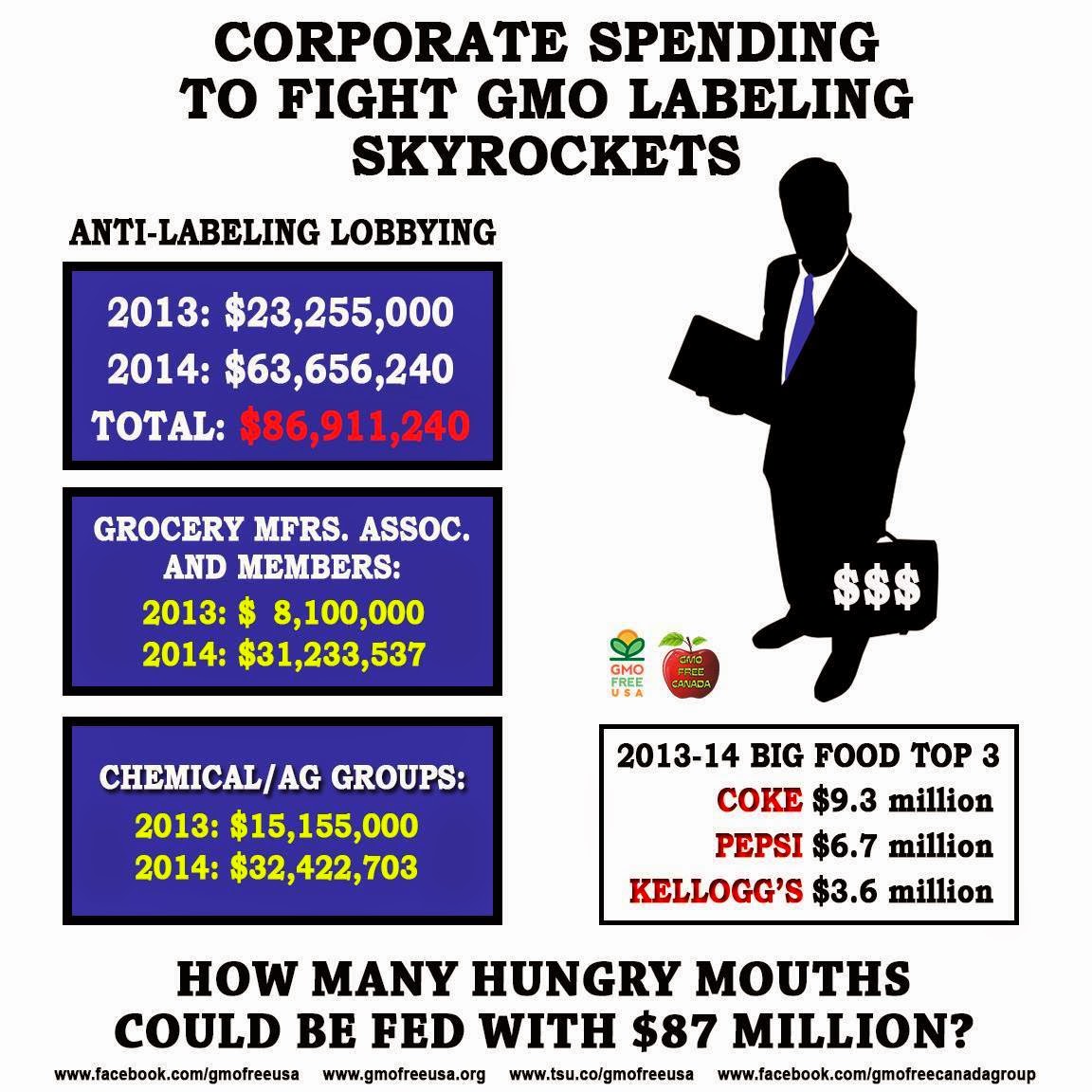
Here's a tidbit from GMO Free Canada's Facebook page:

Over 40 rodent feeding studies find harm using varieties of genetically modified foods that are on the market today (Roundup Ready or Bt toxin insecticide producing).
Harmful effects included: Stomach barrier damage, increased risk of intestinal infections, high cholesterol, high blood sugar; reproductive issues including lower birth weight and increased mortality of offspring; organ disturbances in the pancreas, liver, kidneys, adrenal glands, ovaries and testes; other disturbances including disturbances to the immune system, blood biochemistry and functioning of the digestive system.
No wonder there is no consensus on the safety of GMO foods. We need to know if it's GMO.
1. E. Abdo, et al. “Feeding Study with Bt Corn (MON810: Ajeeb YG) on Rats: Biochemical Analysis and Liver Histopathology,” Food and Nutrition Sciences, Vol. 5 No. 2, 2014, pp. 185-195.
2. Battistelli S., Baldelli B., Malatesta M. (2008), Influence of a GMO-containing diet on pancreatic acinar cells of adult mice: effects of a short-term diet reversion, “Microscopie”, 10, pp. 36-43
3. S. Battistelli, B.Citterio, B. Baldelli, C. Parlani, and M. Malatesta (2010) Histochemical and morpho-metrical study of mouse intestine epithelium after a long term diet containing genetically modified soybean Eur J Histochem. September 26;54(3): e36
4. Brasil FB, Soares LL, Faria TS, Boaventura GT, Sampaio FJ, Ramos CF.(2009) The impact of dietary organic and transgenic soy on the reproductive system of female adult rat. Anat Rec(Hoboken).292(4):587594.
5. B Cisterna, F Flach, L Vecchio, SML Barabino, S Battistelli, TE Martin, M Malatesta, M Biggiogera (2008) Can a genetically modified organism-containing diet influence embryonic development? A preliminary study on pre- implantation mouse embryos. Cisterna.Vol.52(4)
6. Joël Spiroux de Vendômois, François Roullier, Dominique Cellier, Gilles-Eric Séralini (2009) A Comparison of the Effects of Three GM Corn Varieties on Mammalian Health Int J Biol Sci; 5(7):706-726.
7. O. P. Dolaychuk, R. S. Fedoruk (2013) Biological Effects of Different Levels of Soybeans Conventional and Transgenic Varieties in the Second-Generation Female Rats Ration. The Animal Biology, 2013, vol. 15, no. 2
8. Thanaa A. El-Kholy, Mohammad Abu Hilal, Hatim Ali Al-Abbadi, Abdulhalim Salim Serafi, Ahmad K. Al-Ghamdi, Hanan M. Sobhy and John R. C. Richardson (2014) The Effect of Extra Virgin Olive Oil and Soybean on DNA, Cytogenicity and Some Antioxidant Enzymes in Rats. Nutrients, 6(6), 2376-2386
9. El-Shamei ZS et al. Histopathological changes in some organs of male rats fed on genetically modified corn (Ajeeb YG). J Am Sci. 2012;8(10):684–696.
10. Ermakova IV (2006) Genetically modified soy leads to weight loss and increased mortality of pups of the first generation. Preliminary studies. EkosInform. Federal Environmental Law Gazette. a | -1,, p. 4-10.
11. Ermakova IV (2007) New data on the impact of GMOs on
physiological state and the higher nervous activities mammals. All-Russia Symposium TRANSGENIC PLANTS AND BIOSAFETY Moscow, October 22 - 25, pages 38-39
12. Irina Ermakova (2007) GM soybeans—revisiting a controversial format NATURE BIOTECHNOLOGY VOLUME 25 NUMBER 12 DECEMBER 1351-1354
13. Ermakova IV, IV Barskov (2008) Study of the physiological and morphological parameters in rats and their offspring using a diet containing soybean transgenic EPSPS CP4 Biological sciences. 6. p.19-20.
14. Ermakova IV (2009) Influence of soybean gene EPSPS CP4 on the physiological state and reproductive functions of rats in the first two generations Contemporary Problems in Science and Education Number 5, p.15-20. http://www.science-education.ru/33-1224
15. Finamore A, Roselli M, Britti S, Monastra G, Ambra R, Turrini A, Mengheri E. (2008) Intestinal and peripheral immune response to MON810 maize ingestion in weaning and old mice. J Agric Food Chem. Dec 10;56(23):11533-9.
16. Gab-Alla AA et al. Morphological and biochemical changes in male rats fed on genetically modified corn (Ajeeb YG). J Am Sci. 2012;8(9):1117–1123.
17. Т. V. Gorbach, I. U. Kuzminа, G. I. Gubina-Vakulik, N. G. Kolousova (2012) HORMONAL REGULATION OF SEXUAL FUNCTION AND OVARIAN HISTOLOGICAL FEATURES IN THE EXPERIMENT WITH GMO-SOYA USE IN FOOD. TAVRICHESKY LIFE SCIENCES BULLETIN 2012, Volume 15, № 2, Part 2 (58) pages 235-238
18. G.I. Gubin-Vakulik, S.A. Denisenko, T.V. Horbach, N.G. Kolousova, T.M. Popova (2012) MORPHOFUNCTIONAL STATE OF ADRENAL GLAND IN FEMALE RATS WISTAR WITH GENETICALLY MODIFIED SOY INCLUSION IN THE DIET. TAVRICHESKY LIFE SCIENCES BULLETIN 2012, Volume 15, № 3, Part 1 (59) pages 85-88
19. GI-Gubin VAKULIK TV, GORBACH BB, NG KOLOUSOVA HS, GOPKALOV (2013) THE METABOLIC AND HISTOLOGICAL CHANGES OF KIDNEYS IN FEMALE RATS AND THE FIRST GENERATION AFTER CONSUMPTION OF GENETICALLY MODIFIED SOYBEANS. SCIENTIFIC STATEMENTS Series Medicine. Pharmacy. 2013. № 11 (154). Issue 22 pages 150-155
20. G.I. Gubina-Vakulik, S.A. Denisenko, T.V. Gorbach, N.G. Kolousova, A.V. Andreev (2014) Morphofunctional Adrenal State in Adults Descendants With the Diet by Genetically Modified Soy. ЕКСПЕРИМЕНТАЛЬНА І КЛІНІЧНА МЕДИЦИНА. 2014. № 2 (63)
21. SERDAR KARAKUŞLU (2014) THE INVESTIGATION OF THE POTENTIAL EFFECTS OF GENETICALLY MODIFIED (GMO) MAIZE (Zea mays L.) ON SWISS ALBINO MICE. JUNE 2014, 25 Pages
22. Kiliç A, Akay MT. (2008) A three generation study with genetically modified Bt corn in rats: Biochemical and histopathological investigation. Food Chem Toxicol. 2008 Mar;46(3):1164-70.
23. Hasan Kiliçgün, Cebrail Gürsul, Mukadder Sunar, Gülden Gökşen (2013) The Comparative Effects of Genetically Modified Maize and Conventional Maize on Rats J Clin Anal Med ;4(2): 136-9
24. MA Konovalova, VA Blinov (2006) Influence of genetically modified soybean in mice and their offspring . Commercial Biotechnology 2006
25. Konovalova, MA, VA Blinov (2007) Morphometric parameters and features of the spectrum Blood enzymes mice receiving GENETICALLY MODIFIED SOY. All-Russia Symposium TRANSGENIC PLANTS AND BIOSAFETY Moscow, October 22 - 25, page 48
26. Konovalova MA, Potemkin EG (2007) Influence of genetically modified soybean on transport of carbohydrates in tissue.
27. Kuzmin, J. Yu, A. Kuzmin, and N. Pasieshvili (2012) Histological and Hormonal Features of Ovaries in an Experiment at Application of GMO-Soya in Nutrition. Journal of Research. 2012. № 4
28. Magaña-Gómez JA, Cervantes GL, Yepiz-Plascencia G, de la Barca AM. (2008) Pancreatic response of rats fed genetically modified soybean J Appl Toxicol. Mar;28(2):217-26.
29. Malatesta M, Caporaloni C, Gavaudan S, Rocchi MB, Serafini S, Tiberi C, Gazzanelli G. (2002) Ultrastructural morphometrical and immunocytochemical analyses of hepatocyte nuclei from mice fed on genetically modified soybean. Cell Struct Funct. Aug;27(4):173-80.
30. Manuela Malatesta, Chiara Caporaloni, Luigia Rossi, Serafina Battistelli, Marco BL Rocchi, Francesco Tonucci, and Giancarlo Gazzanelli (2002) Ultrastructural analysis of pancreatic acinar cells from mice fed on genetically modified soybean J Anat. November; 201(5): 409–415
31. Malatesta M., Biggiogera M., Manuali E., Rocchi M.B., Baldelli B., Gazzanelli G.(2003) Fine structural analysis of pancreatic acinar cell nuclei from mice fed on GM soybean. Eur J Histochem. 47,3858.
32. Malatesta M, Tiberi C, Baldelli B, Battistelli S, Manuali E, Biggiogera M. (2005) Reversibility of hepatocyte nuclear modifications in mice fed on genetically modified soybean. Eur J Histochem. Jul-Sep;49(3):237-42.
33. Malatesta M, Boraldi F, Annovi G, Baldelli B, Battistelli S, Biggiogera M, Quaglino D. (2008) A long-term study on female mice fed on a genetically modified soybean: effects on liver ageing. Histochem Cell Biol. Nov;130(5):967-77.
34. Maligin AG, Ermakova IV (2008) Soy diet suppresses reproductive function rodents. Modern problems of science and education № 6. (Annex "Biological sciences"). - C. 26
35. Nazarova AF, Ermakova IV (2010) Effect of soy diet on reproductive function and testosterone levels in rats and hamsters. Academy Trinitarism, № 77-6567, publ.15788, 12.02.
36. SG Nimbueva, R. Shirokov, SA Polyakov, SD Evgaldaev (2012) Influence of long term use of genetically modified soybeans on some morphofunctional indicators in pancreas of rats in the experiment. Articles XVII International Ecological Student Conference "Ecology Russia and adjacent territories ": in 2 volumes. Volume 2 / Novosibirsk State. Univ. Novosibirsk, 2012. Pages 119-120.
37. Oliveri et al (2006) Temporary depression of transcription in mouse preimplantation embryos from mice fed on genetically modified soybean. 48th Symposium of the Society for Histochemistry. Lake Maggiore(Italy), Sept.7- 10.
38. Hanaa ORABY, Mahrousa KANDIL, Nermeen SHAFFIE, Inas GHALY (2014) Biological impact of feeding rats with a genetically modified-based diet. Turk J Biol (2014) 38:
39. Séralini GE, Cellier D, de Vendomois JS.(2007) New analysis of a rat feeding study with a genetically modified maize reveals signs of hepatorenal toxicity. Arch Environ Contam Toxicol. May;52(4):596-602.
#gmo #health #labelgmos #needtoknowgmo #toxic #Bttoxin #gmofreecanada #gmofreeusa
Harmful effects included: Stomach barrier damage, increased risk of intestinal infections, high cholesterol, high blood sugar; reproductive issues including lower birth weight and increased mortality of offspring; organ disturbances in the pancreas, liver, kidneys, adrenal glands, ovaries and testes; other disturbances including disturbances to the immune system, blood biochemistry and functioning of the digestive system.
No wonder there is no consensus on the safety of GMO foods. We need to know if it's GMO.
1. E. Abdo, et al. “Feeding Study with Bt Corn (MON810: Ajeeb YG) on Rats: Biochemical Analysis and Liver Histopathology,” Food and Nutrition Sciences, Vol. 5 No. 2, 2014, pp. 185-195.
2. Battistelli S., Baldelli B., Malatesta M. (2008), Influence of a GMO-containing diet on pancreatic acinar cells of adult mice: effects of a short-term diet reversion, “Microscopie”, 10, pp. 36-43
3. S. Battistelli, B.Citterio, B. Baldelli, C. Parlani, and M. Malatesta (2010) Histochemical and morpho-metrical study of mouse intestine epithelium after a long term diet containing genetically modified soybean Eur J Histochem. September 26;54(3): e36
4. Brasil FB, Soares LL, Faria TS, Boaventura GT, Sampaio FJ, Ramos CF.(2009) The impact of dietary organic and transgenic soy on the reproductive system of female adult rat. Anat Rec(Hoboken).292(4):587594.
5. B Cisterna, F Flach, L Vecchio, SML Barabino, S Battistelli, TE Martin, M Malatesta, M Biggiogera (2008) Can a genetically modified organism-containing diet influence embryonic development? A preliminary study on pre- implantation mouse embryos. Cisterna.Vol.52(4)
6. Joël Spiroux de Vendômois, François Roullier, Dominique Cellier, Gilles-Eric Séralini (2009) A Comparison of the Effects of Three GM Corn Varieties on Mammalian Health Int J Biol Sci; 5(7):706-726.
7. O. P. Dolaychuk, R. S. Fedoruk (2013) Biological Effects of Different Levels of Soybeans Conventional and Transgenic Varieties in the Second-Generation Female Rats Ration. The Animal Biology, 2013, vol. 15, no. 2
8. Thanaa A. El-Kholy, Mohammad Abu Hilal, Hatim Ali Al-Abbadi, Abdulhalim Salim Serafi, Ahmad K. Al-Ghamdi, Hanan M. Sobhy and John R. C. Richardson (2014) The Effect of Extra Virgin Olive Oil and Soybean on DNA, Cytogenicity and Some Antioxidant Enzymes in Rats. Nutrients, 6(6), 2376-2386
9. El-Shamei ZS et al. Histopathological changes in some organs of male rats fed on genetically modified corn (Ajeeb YG). J Am Sci. 2012;8(10):684–696.
10. Ermakova IV (2006) Genetically modified soy leads to weight loss and increased mortality of pups of the first generation. Preliminary studies. EkosInform. Federal Environmental Law Gazette. a | -1,, p. 4-10.
11. Ermakova IV (2007) New data on the impact of GMOs on
physiological state and the higher nervous activities mammals. All-Russia Symposium TRANSGENIC PLANTS AND BIOSAFETY Moscow, October 22 - 25, pages 38-39
12. Irina Ermakova (2007) GM soybeans—revisiting a controversial format NATURE BIOTECHNOLOGY VOLUME 25 NUMBER 12 DECEMBER 1351-1354
13. Ermakova IV, IV Barskov (2008) Study of the physiological and morphological parameters in rats and their offspring using a diet containing soybean transgenic EPSPS CP4 Biological sciences. 6. p.19-20.
14. Ermakova IV (2009) Influence of soybean gene EPSPS CP4 on the physiological state and reproductive functions of rats in the first two generations Contemporary Problems in Science and Education Number 5, p.15-20. http://www.science-education.ru/33-1224
15. Finamore A, Roselli M, Britti S, Monastra G, Ambra R, Turrini A, Mengheri E. (2008) Intestinal and peripheral immune response to MON810 maize ingestion in weaning and old mice. J Agric Food Chem. Dec 10;56(23):11533-9.
16. Gab-Alla AA et al. Morphological and biochemical changes in male rats fed on genetically modified corn (Ajeeb YG). J Am Sci. 2012;8(9):1117–1123.
17. Т. V. Gorbach, I. U. Kuzminа, G. I. Gubina-Vakulik, N. G. Kolousova (2012) HORMONAL REGULATION OF SEXUAL FUNCTION AND OVARIAN HISTOLOGICAL FEATURES IN THE EXPERIMENT WITH GMO-SOYA USE IN FOOD. TAVRICHESKY LIFE SCIENCES BULLETIN 2012, Volume 15, № 2, Part 2 (58) pages 235-238
18. G.I. Gubin-Vakulik, S.A. Denisenko, T.V. Horbach, N.G. Kolousova, T.M. Popova (2012) MORPHOFUNCTIONAL STATE OF ADRENAL GLAND IN FEMALE RATS WISTAR WITH GENETICALLY MODIFIED SOY INCLUSION IN THE DIET. TAVRICHESKY LIFE SCIENCES BULLETIN 2012, Volume 15, № 3, Part 1 (59) pages 85-88
19. GI-Gubin VAKULIK TV, GORBACH BB, NG KOLOUSOVA HS, GOPKALOV (2013) THE METABOLIC AND HISTOLOGICAL CHANGES OF KIDNEYS IN FEMALE RATS AND THE FIRST GENERATION AFTER CONSUMPTION OF GENETICALLY MODIFIED SOYBEANS. SCIENTIFIC STATEMENTS Series Medicine. Pharmacy. 2013. № 11 (154). Issue 22 pages 150-155
20. G.I. Gubina-Vakulik, S.A. Denisenko, T.V. Gorbach, N.G. Kolousova, A.V. Andreev (2014) Morphofunctional Adrenal State in Adults Descendants With the Diet by Genetically Modified Soy. ЕКСПЕРИМЕНТАЛЬНА І КЛІНІЧНА МЕДИЦИНА. 2014. № 2 (63)
21. SERDAR KARAKUŞLU (2014) THE INVESTIGATION OF THE POTENTIAL EFFECTS OF GENETICALLY MODIFIED (GMO) MAIZE (Zea mays L.) ON SWISS ALBINO MICE. JUNE 2014, 25 Pages
22. Kiliç A, Akay MT. (2008) A three generation study with genetically modified Bt corn in rats: Biochemical and histopathological investigation. Food Chem Toxicol. 2008 Mar;46(3):1164-70.
23. Hasan Kiliçgün, Cebrail Gürsul, Mukadder Sunar, Gülden Gökşen (2013) The Comparative Effects of Genetically Modified Maize and Conventional Maize on Rats J Clin Anal Med ;4(2): 136-9
24. MA Konovalova, VA Blinov (2006) Influence of genetically modified soybean in mice and their offspring . Commercial Biotechnology 2006
25. Konovalova, MA, VA Blinov (2007) Morphometric parameters and features of the spectrum Blood enzymes mice receiving GENETICALLY MODIFIED SOY. All-Russia Symposium TRANSGENIC PLANTS AND BIOSAFETY Moscow, October 22 - 25, page 48
26. Konovalova MA, Potemkin EG (2007) Influence of genetically modified soybean on transport of carbohydrates in tissue.
27. Kuzmin, J. Yu, A. Kuzmin, and N. Pasieshvili (2012) Histological and Hormonal Features of Ovaries in an Experiment at Application of GMO-Soya in Nutrition. Journal of Research. 2012. № 4
28. Magaña-Gómez JA, Cervantes GL, Yepiz-Plascencia G, de la Barca AM. (2008) Pancreatic response of rats fed genetically modified soybean J Appl Toxicol. Mar;28(2):217-26.
29. Malatesta M, Caporaloni C, Gavaudan S, Rocchi MB, Serafini S, Tiberi C, Gazzanelli G. (2002) Ultrastructural morphometrical and immunocytochemical analyses of hepatocyte nuclei from mice fed on genetically modified soybean. Cell Struct Funct. Aug;27(4):173-80.
30. Manuela Malatesta, Chiara Caporaloni, Luigia Rossi, Serafina Battistelli, Marco BL Rocchi, Francesco Tonucci, and Giancarlo Gazzanelli (2002) Ultrastructural analysis of pancreatic acinar cells from mice fed on genetically modified soybean J Anat. November; 201(5): 409–415
31. Malatesta M., Biggiogera M., Manuali E., Rocchi M.B., Baldelli B., Gazzanelli G.(2003) Fine structural analysis of pancreatic acinar cell nuclei from mice fed on GM soybean. Eur J Histochem. 47,3858.
32. Malatesta M, Tiberi C, Baldelli B, Battistelli S, Manuali E, Biggiogera M. (2005) Reversibility of hepatocyte nuclear modifications in mice fed on genetically modified soybean. Eur J Histochem. Jul-Sep;49(3):237-42.
33. Malatesta M, Boraldi F, Annovi G, Baldelli B, Battistelli S, Biggiogera M, Quaglino D. (2008) A long-term study on female mice fed on a genetically modified soybean: effects on liver ageing. Histochem Cell Biol. Nov;130(5):967-77.
34. Maligin AG, Ermakova IV (2008) Soy diet suppresses reproductive function rodents. Modern problems of science and education № 6. (Annex "Biological sciences"). - C. 26
35. Nazarova AF, Ermakova IV (2010) Effect of soy diet on reproductive function and testosterone levels in rats and hamsters. Academy Trinitarism, № 77-6567, publ.15788, 12.02.
36. SG Nimbueva, R. Shirokov, SA Polyakov, SD Evgaldaev (2012) Influence of long term use of genetically modified soybeans on some morphofunctional indicators in pancreas of rats in the experiment. Articles XVII International Ecological Student Conference "Ecology Russia and adjacent territories ": in 2 volumes. Volume 2 / Novosibirsk State. Univ. Novosibirsk, 2012. Pages 119-120.
37. Oliveri et al (2006) Temporary depression of transcription in mouse preimplantation embryos from mice fed on genetically modified soybean. 48th Symposium of the Society for Histochemistry. Lake Maggiore(Italy), Sept.7- 10.
38. Hanaa ORABY, Mahrousa KANDIL, Nermeen SHAFFIE, Inas GHALY (2014) Biological impact of feeding rats with a genetically modified-based diet. Turk J Biol (2014) 38:
39. Séralini GE, Cellier D, de Vendomois JS.(2007) New analysis of a rat feeding study with a genetically modified maize reveals signs of hepatorenal toxicity. Arch Environ Contam Toxicol. May;52(4):596-602.
40. Gilles-Eric Séralini, Emilie Clair, Robin Mesnage, Steeve Gress, Nicolas Defarge, Manuela Malatesta, Didier Hennequin and Joël Spiroux de Vendômois (2014) Republished study: long-term toxicity of a Roundup herbicide and a Roundup-tolerant genetically modified maize. Environmental Sciences Europe , 26:14
41. AV Surov, NY Feoktistov, MV Ushakov, AV Gureeva (2010) Changing the physiological parameters of mammals feeding genetically modified ingredients of vegetable origin. Institution of the Russian Academy of Sciences Institute of Ecology and Evolution behalf ANSevertsov RAS (IEE RAS)
42. Vecchio L, Cisterna B, Malatesta M, Martin TE, Biggiogera M. (2004) Ultrastructural analysis of testes from mice fed on genetically modified soybean. Eur J Histochem. Oct-Dec;48(4):448-54.
43. Irena M Zdziarski, John W Edwards, Judy Carman, Adrian Jones, Marni Spillanie, Ysabella Van Sebille, Julie I Haynes (2012) GM feed and its effect on the stomach mucosa of rat. 6th Australian Health and Medical Research Congress 2012
44. ZHOU Ze-wei et al. (2012) Comprehensive Evaluation on Functions & Safety of Imported GM Soybean Using BDI-GS System Soybean Science Oct. Vol. 31 No 5#gmo #health #labelgmos #needtoknowgmo #toxic #Bttoxin #gmofreecanada #gmofreeusa